PROJECTS
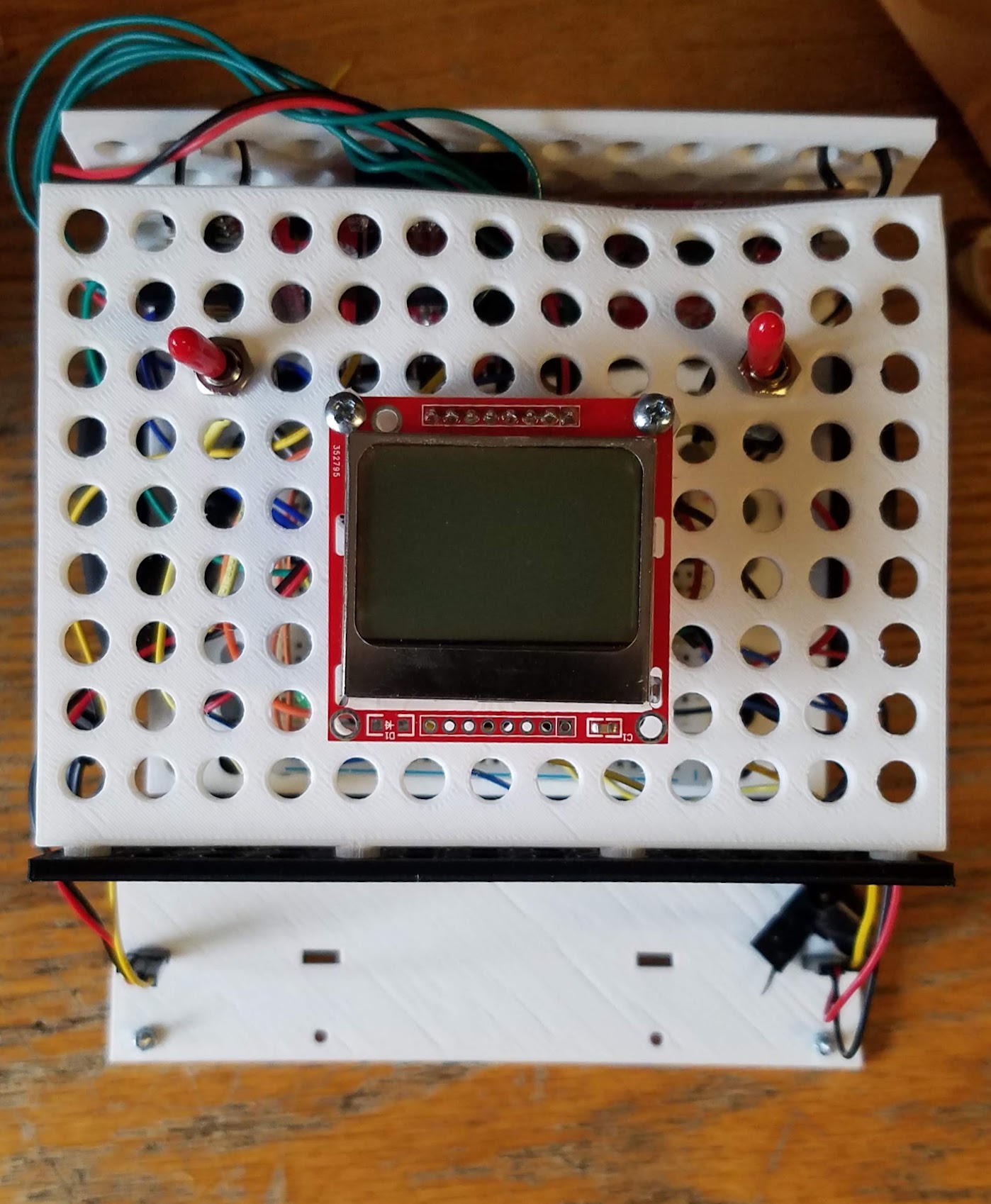 Sum-bot, MAX 5.0 (2022):
During my 2nd year at the Milwaukee School of Engineering, each person in my class was tasked with designing a sumo robot with the goal of pushing the opponent's robot out of a circular ring. I was given the basic components to build the robot, but all other design aspects were my choice as long as they followed the rules and regulations that were given to us. Instead of using the provided metal to build my frame I opted to 3D print my entire robot. This was quite the challenge as I had never 3D printed anything before, and I went through many models before my final version. All of the electronics ran smoothly in the casing I had made, but unfortunately the sensors malfunctioned seconds before the competition so the robot ultimately failed. Given more time to fix that issue, I believe the design would have been quite successful, however I also learned from this experience the importance of ensuring stable, reliable, connections and functionality of the essential components before getting caught up in the details of the casing.
Sum-bot, MAX 5.0 (2022):
During my 2nd year at the Milwaukee School of Engineering, each person in my class was tasked with designing a sumo robot with the goal of pushing the opponent's robot out of a circular ring. I was given the basic components to build the robot, but all other design aspects were my choice as long as they followed the rules and regulations that were given to us. Instead of using the provided metal to build my frame I opted to 3D print my entire robot. This was quite the challenge as I had never 3D printed anything before, and I went through many models before my final version. All of the electronics ran smoothly in the casing I had made, but unfortunately the sensors malfunctioned seconds before the competition so the robot ultimately failed. Given more time to fix that issue, I believe the design would have been quite successful, however I also learned from this experience the importance of ensuring stable, reliable, connections and functionality of the essential components before getting caught up in the details of the casing.
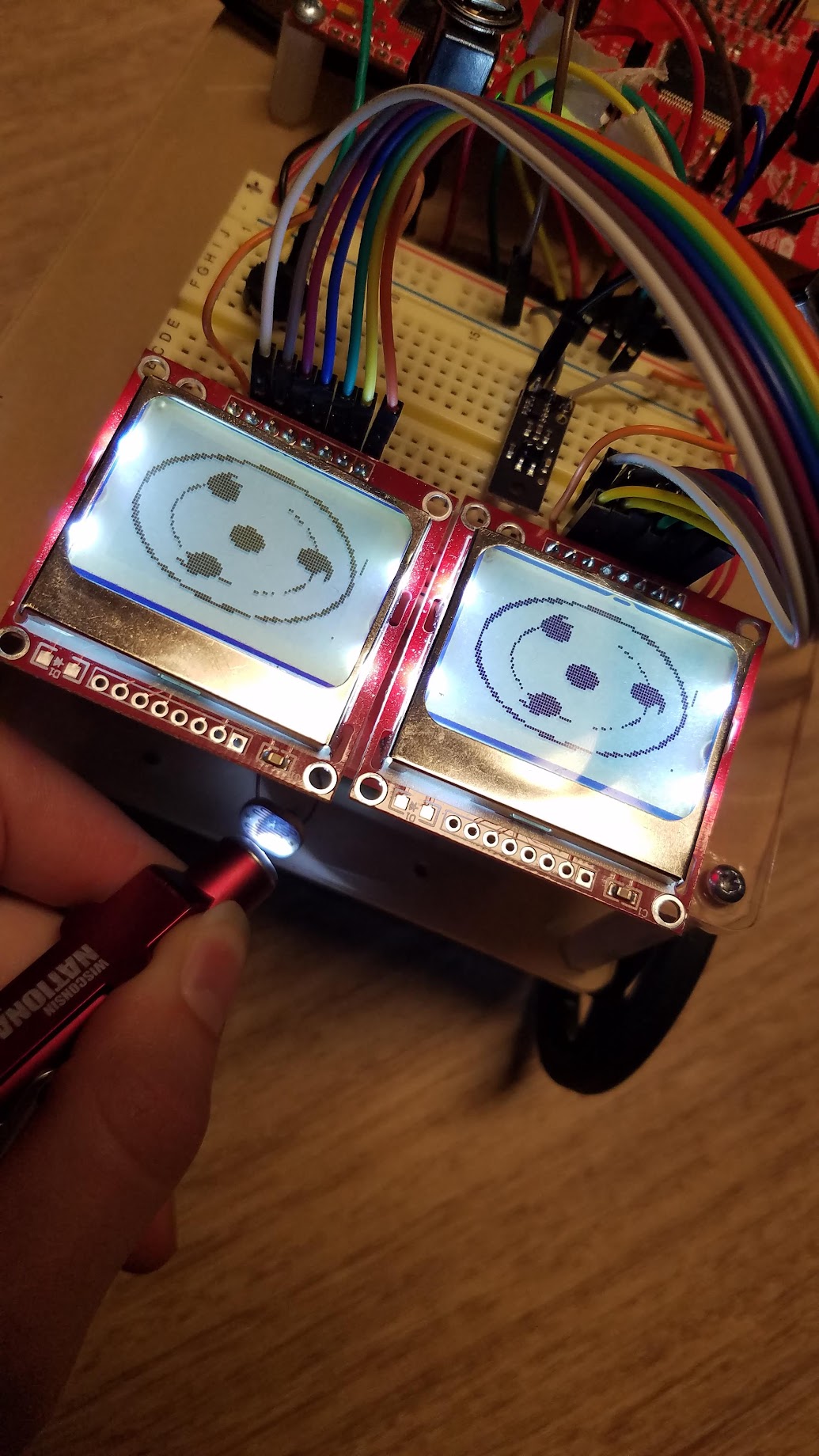 Light Following Robot, CJ (2021):
The original task for this project was to create a program in C that utilized various sensors and methods from my embedded systems class. Due to my great love of robotics, I proposed the idea of building a “pet” robot to my professor. Together with my partner, we created a robot that “follows the light” and had various other bonus features including mini LCD screens as “eyes” and a “petting feature”. For 2 weeks I spent a majority of my time working on this robot, including modifying its programming while I was stuck in an elevator with it for 2 hours, a true moment of bonding between me and my robot. While the project was ambitious and my professor was skeptical, in the end we were quite happy with the results and it was a valuable experience learning to evenly divide the workload between two people. Me and my partner worked well together and it is to this day the most fun I have had on a project.
Light Following Robot, CJ (2021):
The original task for this project was to create a program in C that utilized various sensors and methods from my embedded systems class. Due to my great love of robotics, I proposed the idea of building a “pet” robot to my professor. Together with my partner, we created a robot that “follows the light” and had various other bonus features including mini LCD screens as “eyes” and a “petting feature”. For 2 weeks I spent a majority of my time working on this robot, including modifying its programming while I was stuck in an elevator with it for 2 hours, a true moment of bonding between me and my robot. While the project was ambitious and my professor was skeptical, in the end we were quite happy with the results and it was a valuable experience learning to evenly divide the workload between two people. Me and my partner worked well together and it is to this day the most fun I have had on a project.
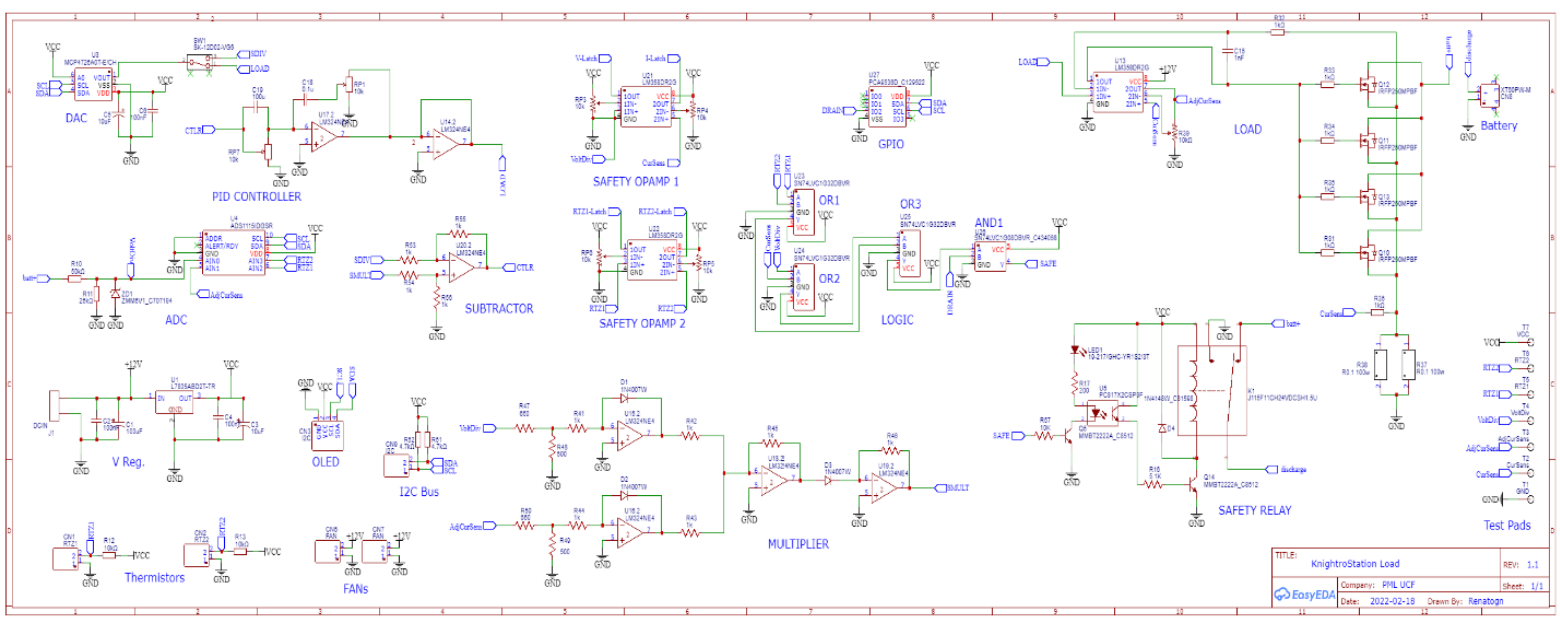 Power Controlled Accelerated Life Testing of Batteries (2022):
I spent 10 weeks working at the University of Central Florida as an undergraduate research assistant. I modified a load board for a lithium ion battery testing rack in the attempt to switch it from a digitally controlled system to a purely hardware based system. Unfortunately my 10 weeks finished before I was able to test the new load board PCB design so I only have the theoretical design. Despite not being able to properly finish this project, I was able to learn a lot from and reflect on the mistakes I made along the way.
Power Controlled Accelerated Life Testing of Batteries (2022):
I spent 10 weeks working at the University of Central Florida as an undergraduate research assistant. I modified a load board for a lithium ion battery testing rack in the attempt to switch it from a digitally controlled system to a purely hardware based system. Unfortunately my 10 weeks finished before I was able to test the new load board PCB design so I only have the theoretical design. Despite not being able to properly finish this project, I was able to learn a lot from and reflect on the mistakes I made along the way.